

In an era where we’re surrounded by QR codes—on menus, product labels, ticketing apps, payments, and even gravestones—it’s easy to overlook the sheer technological marvel behind these square patterns. But one burning question often gets asked by both curious users and tech enthusiasts: How many QR code combinations are actually possible?
The answer? Almost unimaginably infinite.
In this guide, we’ll break down the math, versions, error correction levels, and real-world implications behind the staggering number of QR code combinations. You’ll walk away not just with numbers, but a deep appreciation for how versatile and secure these tiny patterns truly are.
What Exactly Is a QR Code?
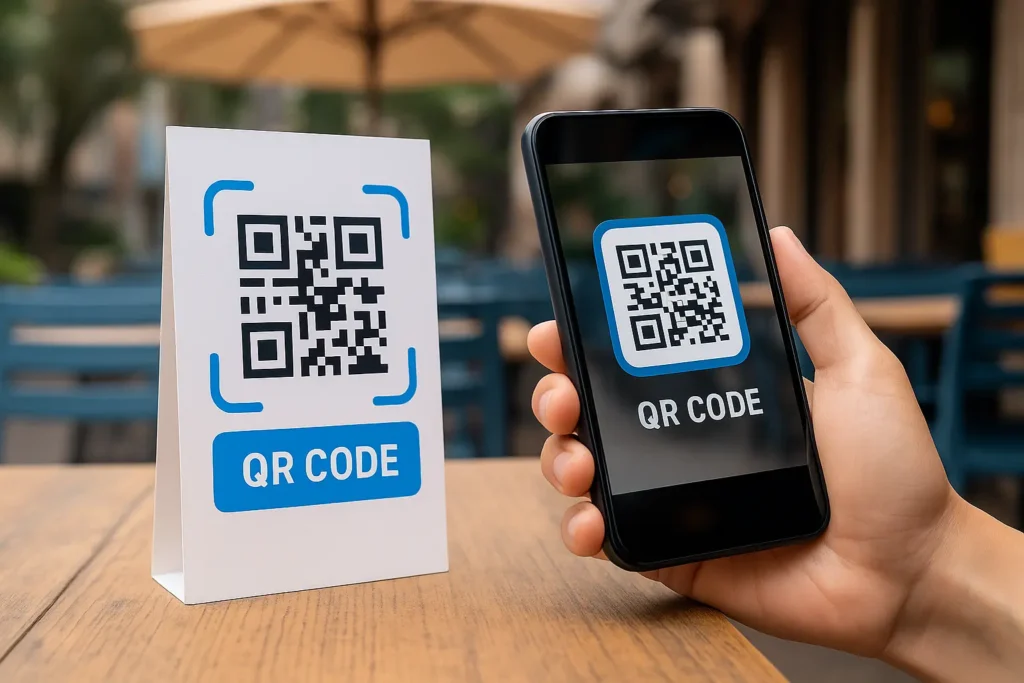
A QR code (short for “Quick Response code”) is a two-dimensional barcode that encodes data in both horizontal and vertical directions. Unlike traditional barcodes that store up to 20 characters, QR codes can store thousands.
A basic QR code is made up of modules—the small black and white squares you see. These are arranged within a grid, where each module represents a binary value (1 or 0). Depending on how many modules exist, and how the data is encoded, the combinations multiply exponentially.
What Determines the Number of QR Code Combinations?
Several key factors affect how many different QR codes can exist:
1. QR Code Version (Size)
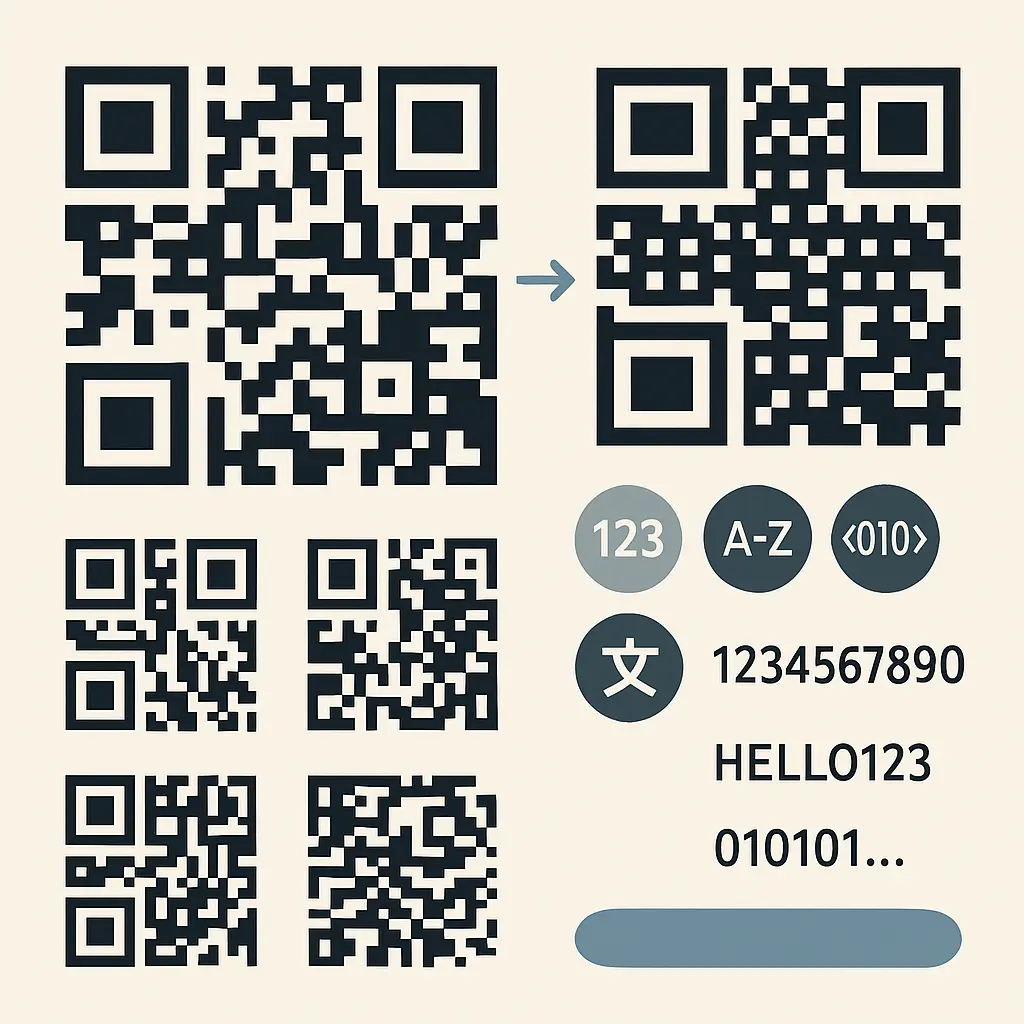
QR codes come in 40 versions, starting from Version 1 (21×21 modules) to Version 40 (177×177 modules). Each version increases in size and, consequently, data capacity.
- Version 1: 21×21 grid → 441 modules
- Version 40: 177×177 grid → 31,329 modules
The number of possible layouts = 2^(number of modules). For Version 40, that’s 2^31,329 ≈ a number with over 9,400 digits.
2. Data Encoding Mode
Each QR code can encode data using one of four modes:
- Numeric (digits 0-9)
- Alphanumeric (digits, uppercase letters, and a few symbols)
- Byte/Binary (ASCII characters)
- Kanji (optimized for Japanese characters)
Each encoding type alters the internal structure of the code and changes how much information fits.
3. Error Correction Level (ECL)
QR codes use Reed-Solomon error correction to remain scannable even when damaged. There are four levels:
- L (Low) – recovers 7% of data
- M (Medium) – recovers 15%
- Q (Quartile) – recovers 25%
- H (High) – recovers 30%
Higher correction levels increase redundancy, reducing available space for actual data but increasing resilience.
4. Mask Patterns
To optimize readability, QR codes apply one of 8 masking patterns. These do not change the underlying data, but change the appearance, adding further variability.
5. Character Count and Arrangement
Every QR code represents a different combination of characters and layout. For example:
- A code with the numeric string
1234567890 - One with an alphanumeric string
HELLO123 - Another with binary data like
010101...
Each represents a distinct QR code, even if their lengths are identical.
Let’s Do the Math: How Many QR Code Combinations Exist?
Let’s consider a hypothetical:
- A Version 40 QR code (177×177)
- Encodes numeric data
- Uses Low error correction
This code can store up to 7,089 numeric characters.
Now imagine the possible combinations:
- Each character has 10 possible values (0–9)
- For 7,089 characters: 10^7,089
That’s a 10 followed by 7,089 zeros. To put that into perspective:
- Estimated grains of sand on Earth: ~7.5 × 10^18
- Estimated atoms in the observable universe: ~10^80
QR codes? They can obliterate both those figures when it comes to combinations.
And this is just for one version, one data type, and one correction level.
Practical Types of QR Codes (and Their Data Needs)
| Type | Common Use | Typical Data |
|---|---|---|
| Phone Number | Dial directly on scan | Numeric |
| Website URL | Open web page | Alphanumeric |
| VCard | Contact information | Byte/Binary |
| Wi-Fi Connect | Auto-join Wi-Fi network | Alphanumeric/Byte |
| SMS/Email QR | Pre-fill a message | Alphanumeric/Byte |
| Payment QR | Send money via UPI/Venmo/PayPal | Alphanumeric/URL |
| Event QR (vCalendar) | Add calendar events | Byte/Binary |
These use cases reinforce how flexible QR codes are—and why having millions of unique combinations is essential.
Why Are So Many Combinations Necessary?

The enormous pool of QR code variations serves multiple purposes:
- Avoid Duplication – Every QR code can be unique for specific users or events.
- Security – Unique hashes or tokens inside QR codes are critical in fintech, healthcare, or access control.
- Data Density – QR codes that store large or encrypted data need more variation room.
- Dynamic QR Codes – These change over time or based on context, further increasing diversity.
QR Code Variants: Static vs. Dynamic
| Type | Editable After Creation? | Data Stored | Best For |
|---|---|---|---|
| Static QR | ❌ No | Directly inside QR | Simple use-cases (e.g., contact) |
| Dynamic QR | ✅ Yes | Redirect URL with data | Marketing, payments, tracking |
Dynamic QR codes rely on URL shorteners or redirection services, meaning you can change the destination without updating the printed code. These require extra server-side intelligence.
The Role of Customization in QR Code Variation
You’ve probably seen QR codes with:
- Brand logos
- Different colors
- Unique shapes or rounded corners
These aesthetic tweaks don’t change the underlying data, but they add another layer of variation—especially in marketing and branding. As long as contrast and alignment are maintained, designs can thrive.
✅ Pro Tip: Always test scannability after customizing.
Future Trends: Even More QR Code Combinations?
As technology evolves, we can expect even more creative use of QR codes:
- AR Activation: Launch augmented reality layers through QR scans
- AI Integration: QR codes linking to intelligent bots or chat support
- NFT or Crypto: Secure ownership certificates via QR
- Medical Records: Emergency access via encrypted QR codes
These futuristic applications will likely demand more secure, scannable, and unique codes—further driving the need for combinations.
QR Code Possibilities Are Practically Infinite
When asking “How many QR codes can exist?” — the real answer lies not just in mathematics, but in imagination.
With billions of possible patterns formed from varying grid sizes, encoding formats, character lengths, and visual customizations, QR codes are an ever-expanding digital canvas.
From a numeric code on a concert ticket to a dynamic marketing link with embedded tracking, the number of valid, unique QR codes is virtually infinite—and growing.
So next time you scan a QR code, remember: behind that simple square lies a universe of combinations.